
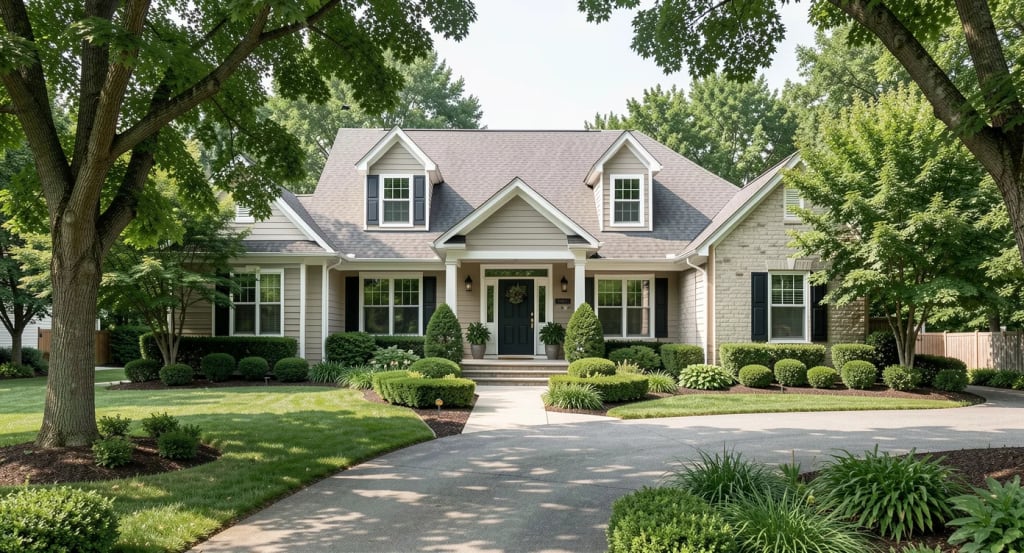
Understanding Rental Income Potential Across Four Metro Atlanta Markets
Investors looking around northeast metro Atlanta often compare the same four names: Buford, Lawrenceville, Duluth, and Atlanta. Each market offers a different mix of price point, housing stock, tenant demand drivers, and long-term upside. The key is not deciding which city is “best” in the abstract, but which one aligns with your budget, operating style, and cash-flow goals.
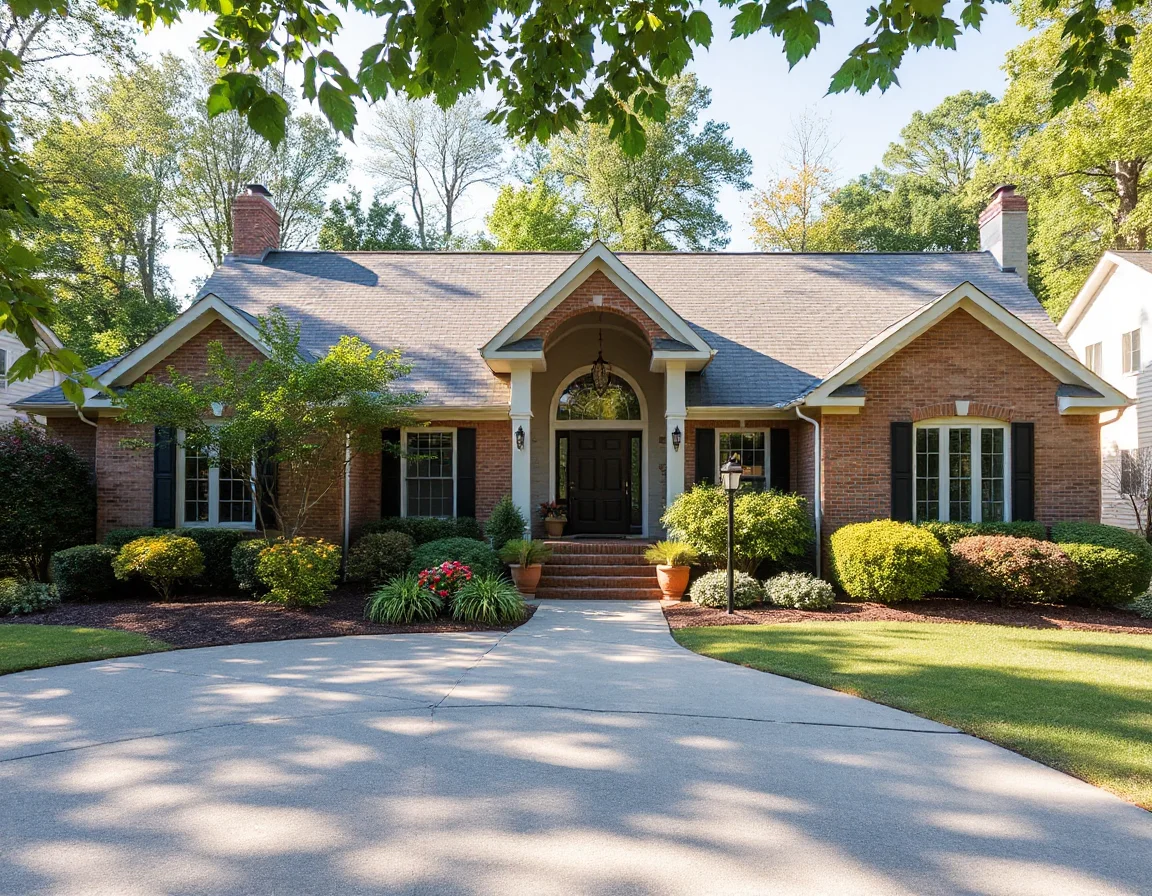
What makes this part of Georgia especially interesting is the variety packed into a relatively connected region. One investor may prioritize newer subdivisions and stable lease demand near major retail and employment hubs, while another may look for older homes with value-add potential closer to established town centers. Because these communities sit within reach of major highways, job centers, campuses, and recreation, the conversation quickly becomes more nuanced than simple rent comparisons.
Before buying, it helps to evaluate more than projected monthly rent. Property taxes, insurance costs, HOA restrictions, repair exposure, vacancy assumptions, and renovation timing can all change the actual return. A property with a slightly lower rent number may still perform better if it needs less upfront work, appeals to a broader rental pool, or sits in an area with steadier occupancy trends.
Another advantage in these markets is diversification. Detached homes, townhomes, condos, and small multifamily opportunities can each play a role depending on location and inventory. That flexibility gives buyers room to tailor a strategy around appreciation, immediate cash flow, or a balanced mix of both.
Buford: Strong Demand Near Retail, Recreation, and Regional Access
Buford often draws attention because it combines suburban growth with convenient access to major shopping destinations, Lake Lanier recreation, and key commuter routes. For rental owners, that can translate into broad-based demand from people seeking practical layouts, newer construction, and proximity to everyday amenities. Much of the appeal here comes from functionality: garages, usable outdoor space, updated kitchens, and neighborhoods with a polished, well-maintained feel.
Inventory in Buford may include newer single-family homes and townhomes that are easier to lease quickly because they require less immediate updating. The tradeoff, of course, can be a higher acquisition price. Investors running numbers in Buford should pay close attention to whether projected rents support the purchase after accounting for maintenance reserves and any HOA fees. In some cases, the value is stronger for buyers focused on durable demand and lower turnover risk rather than chasing the highest cap rate on paper.
Local attractions and conveniences can also help support tenant interest. Access to parks, lake-oriented recreation, regional shopping, and dining corridors gives residents multiple lifestyle options without requiring a long drive. For landlords, that kind of everyday usability can matter just as much as headline growth when it comes to lease renewals and consistent occupancy.
Lawrenceville: Diverse Housing Stock and Value-Add Opportunities

Lawrenceville tends to stand out for investors who want options. The housing stock can include established neighborhoods, townhomes, updated ranch properties, and homes that may benefit from cosmetic improvements. That range creates opportunities at different price points, which is especially useful for buyers comparing turnkey rentals with renovation-based strategies.
The city’s historic core, civic institutions, entertainment venues, and ongoing development activity contribute to its appeal. Nearby parks, cultural events, medical facilities, and educational institutions add to the location’s relevance in the broader Gwinnett County market. For landlords, this can support demand from a mix of renters looking for access to services, transportation connections, and a more established community layout.
Lawrenceville can be particularly attractive when an investor is comfortable improving a property to raise rent over time. A home with dated finishes but a solid floor plan may offer room to create value through flooring, paint, lighting, bath upgrades, or kitchen refreshes. The caution here is to stay disciplined. Renovations should match neighborhood expectations and likely rent ceilings rather than overextending on upgrades that do not meaningfully improve return.
In practical terms, this market often rewards buyers who study micro-locations carefully. Distance to the downtown district, major corridors, schools, parks, and daily conveniences can influence both lease speed and tenant retention. Small geographic differences can make a noticeable impact on performance.
Duluth: Established Appeal, Walkable Amenities, and Consistent Interest
Duluth offers a different personality. It is known for its active town center, community events, green spaces, and a built environment that blends established neighborhoods with updated commercial areas. For rental property owners, that combination can support steady interest from residents who value convenience, recreation, and access to both Gwinnett and greater Atlanta job hubs.
Homes in Duluth may command stronger rents relative to size when they are well-located and updated, especially if they provide easy access to parks, trails, and the city’s central activity areas. Townhomes and smaller detached homes can be worth close analysis here, since efficient layouts and lower maintenance requirements may improve the ownership equation. Investors should still examine age-related expenses carefully, as some properties in established neighborhoods can require larger capital items over time.
The area’s dining scene, community programming, and transportation connectivity all add to rental appeal without relying on a single employer or one type of housing. That matters because resilience often comes from variety. When a market offers multiple reasons for people to rent there, income performance may be less vulnerable to one narrow demand trend.
Atlanta: Higher Price Complexity, More Rental Segments, Broader Strategy Choices

Atlanta itself is less a single rental market than a network of submarkets. Neighborhood-level analysis matters enormously, since acquisition cost, rent range, tenant profile, housing type, and appreciation potential can vary block by block. Investors considering Atlanta often have the widest strategic menu: condos near employment centers, small homes in established neighborhoods, townhomes in redeveloping corridors, or multifamily assets where available.
That flexibility comes with more complexity. Older housing stock may require deeper due diligence, and pricing can move quickly in popular areas. Insurance, deferred maintenance, permitting considerations, and neighborhood-specific rent ceilings should all be factored into underwriting. A property that looks strong based on gross rent alone can become less attractive once turnover costs and renovation scope are fully understood.
Still, Atlanta remains compelling because of its scale. Major employment centers, universities, healthcare networks, entertainment districts, public parks, and transportation infrastructure create multiple sources of housing demand. For some investors, this broad economic base supports a long-term hold strategy centered on appreciation and rental growth rather than immediate cash flow.
If your investment style favors hands-on management and careful neighborhood selection, Atlanta can provide opportunities that are difficult to replicate in more uniform suburban markets. If you prefer a simpler operational model, however, a suburban property in Buford, Lawrenceville, or Duluth may be easier to manage and forecast.
How to Compare These Markets Before You Buy
A useful framework is to compare each target property across the same categories:
- Purchase price versus realistic rent: Use current lease comps, not optimistic assumptions.
- Condition and capital needs: Budget for roof, HVAC, flooring, paint, appliances, and exterior items.
- Neighborhood convenience: Consider proximity to parks, dining, shopping, employers, and major routes.
- Housing type: Single-family, townhome, and condo properties each carry different maintenance and fee structures.
- Lease competitiveness: Updated finishes, parking, storage, and outdoor space can improve demand.
- Exit strategy: Think about resale appeal as carefully as rental income.
For many buyers, the right answer is not choosing one city forever, but starting with the market that best fits current financing and risk tolerance. Buford may suit an investor prioritizing newer homes and dependable suburban demand. Lawrenceville may fit someone seeking flexible price points and value-add possibilities. Duluth may appeal to buyers who want established character and strong amenity access. Atlanta may work best for those comfortable with complexity in exchange for broader strategic upside.
Rental income potential is strongest when the numbers align with the story of the property. A well-located home with practical updates, manageable expenses, and a realistic rent target often outperforms a flashier purchase built on optimistic projections. In these four markets, careful local analysis can turn a good idea into a durable investment.