

A thoughtful home inspection turns a promising Buford property tour into a clearer buying decision. This checklist helps you look beyond finishes, understand the systems that shape future maintenance, and use inspection findings constructively as you move toward closing.
Start With the Systems That Protect the Home
It is easy to notice a bright kitchen, a well-planned layout, or a welcoming backyard during a showing. A home inspection adds another layer: it helps identify visible conditions involving the structure and the major systems that keep the property functioning. The goal is not to find a flawless house. Every home, whether newly built or decades old, will have maintenance items. The useful question is how those items affect your budget, timeline, and confidence in the purchase.
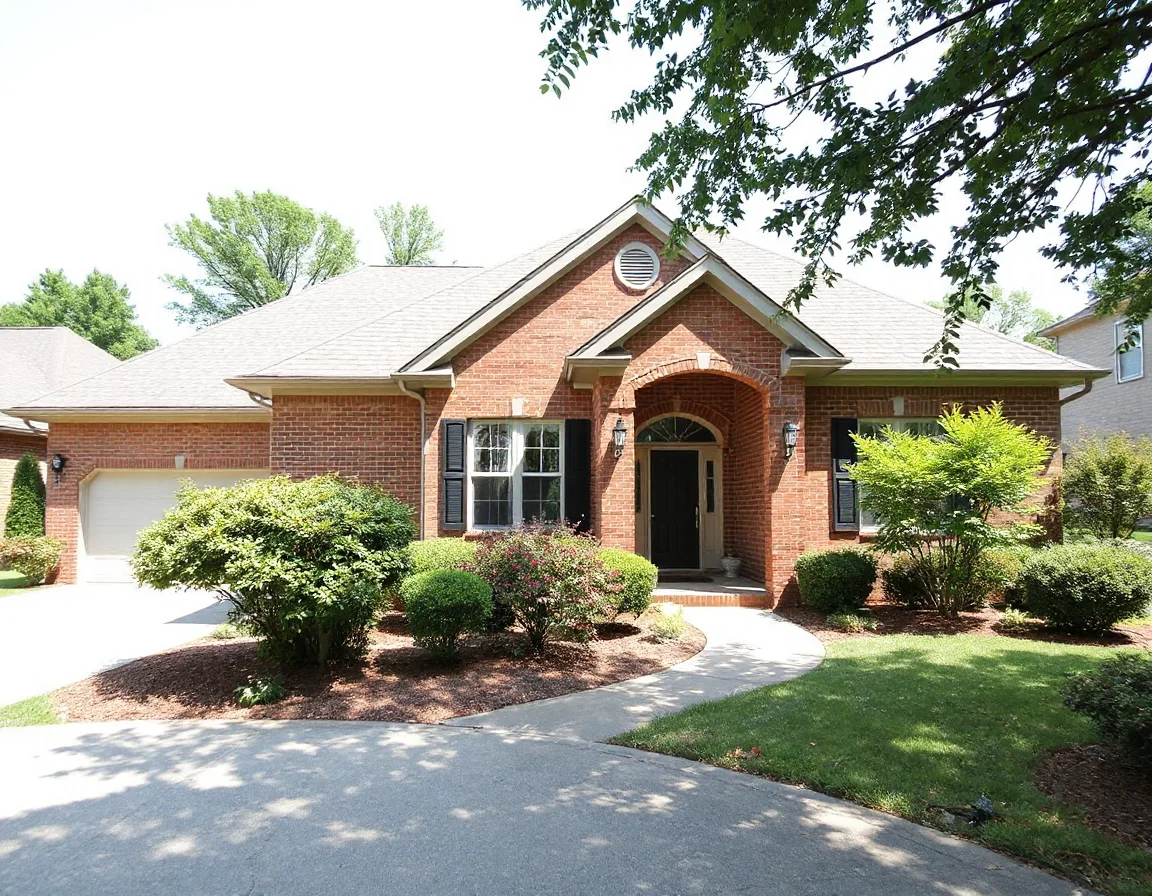
Begin outside, where water management and exterior maintenance often tell an important story. Look at the roof from the ground for uneven areas, missing shingles, staining, or visible wear. Note the condition of gutters and downspouts, and observe whether water appears to drain away from the foundation. On a sloped lot, ask how runoff is directed during heavy rain. Exterior siding, brick, trim, decks, porches, retaining walls, windows, and exterior doors also deserve attention because small gaps or deteriorated materials can allow moisture to enter over time.
Inside, focus on the condition and apparent operation of the home’s essential systems. Your inspector may evaluate accessible electrical panels, outlets, plumbing fixtures, visible supply lines, water heaters, heating and cooling equipment, attic insulation, ventilation, and accessible portions of the foundation or crawlspace. Keep in mind that an inspection is visual and noninvasive; it is not a warranty, code certification, engineering report, or prediction of every future repair. When a concern falls outside the inspector’s scope, a licensed specialist can provide the next level of evaluation.
A detailed inspection report is most helpful when you sort findings into three groups: immediate safety or water concerns, near-term repairs, and routine maintenance items that can be planned over time.
In Buford’s warm, humid seasons, moisture control deserves particular attention. Ask about attic ventilation, insulation coverage, signs of condensation around ductwork, and any visible staining near ceilings or windows. If the property has a crawlspace, review whether it appears dry and adequately ventilated or conditioned. These observations do not replace specialized testing, but they can help you decide whether to request additional information before the due-diligence period ends.
Bring a Practical Checklist to the Inspection
Attending the inspection, when possible, gives you a chance to see the property at a slower pace than a typical showing allows. Bring a notebook or use your phone to photograph items the inspector points out. Rather than trying to memorize every detail, ask for plain-language explanations of the highest-priority findings, the likely consequences of postponing repairs, and the recommended next step for each concern.
- Roof and drainage: Ask about the roof’s visible condition, flashing, gutters, downspouts, grading, and signs of prior water intrusion.
- Foundation and structure: Note visible cracks, moisture indicators, uneven floors, doors that do not operate smoothly, and any recommendation for further review.
- Electrical: Confirm the inspector reviews the accessible panel, visible wiring, outlets, grounding, and any observed safety concerns.
- Plumbing: Check fixtures, drainage, water pressure observations, accessible pipes, water heater condition, and evidence of leaks.
- HVAC: Review the age and apparent operation of heating and cooling equipment, visible ductwork, filters, and recommended servicing.
- Interior and exterior finishes: Record damaged trim, windows, doors, appliances, decks, railings, and surfaces that may need repair or maintenance.
It can help to distinguish between a cosmetic preference and a condition that may affect function. A paint color, dated fixture, or worn carpet may influence your renovation plans, while an active leak, electrical concern, or deteriorated structural component may require more immediate attention. This distinction keeps the conversation focused when you review the report and consider options with your real estate professional.
Older homes may have components near the end of their typical service life even when they are operating on inspection day. Newer homes may still have incomplete work, drainage issues, or appliance and HVAC adjustments to address. Ask the inspector to point out visible manufacturing labels and approximate ages for major equipment where available. That information can help you build a realistic maintenance calendar after closing.
Read the Report With Perspective
An inspection report can be lengthy because it documents many parts of the home, including ordinary maintenance observations. Seeing a long report does not automatically mean a property is a poor choice. What matters is the nature, severity, cost, and timing of the findings. Review the summary first, then return to the full report and photos so you understand the context behind each recommendation.
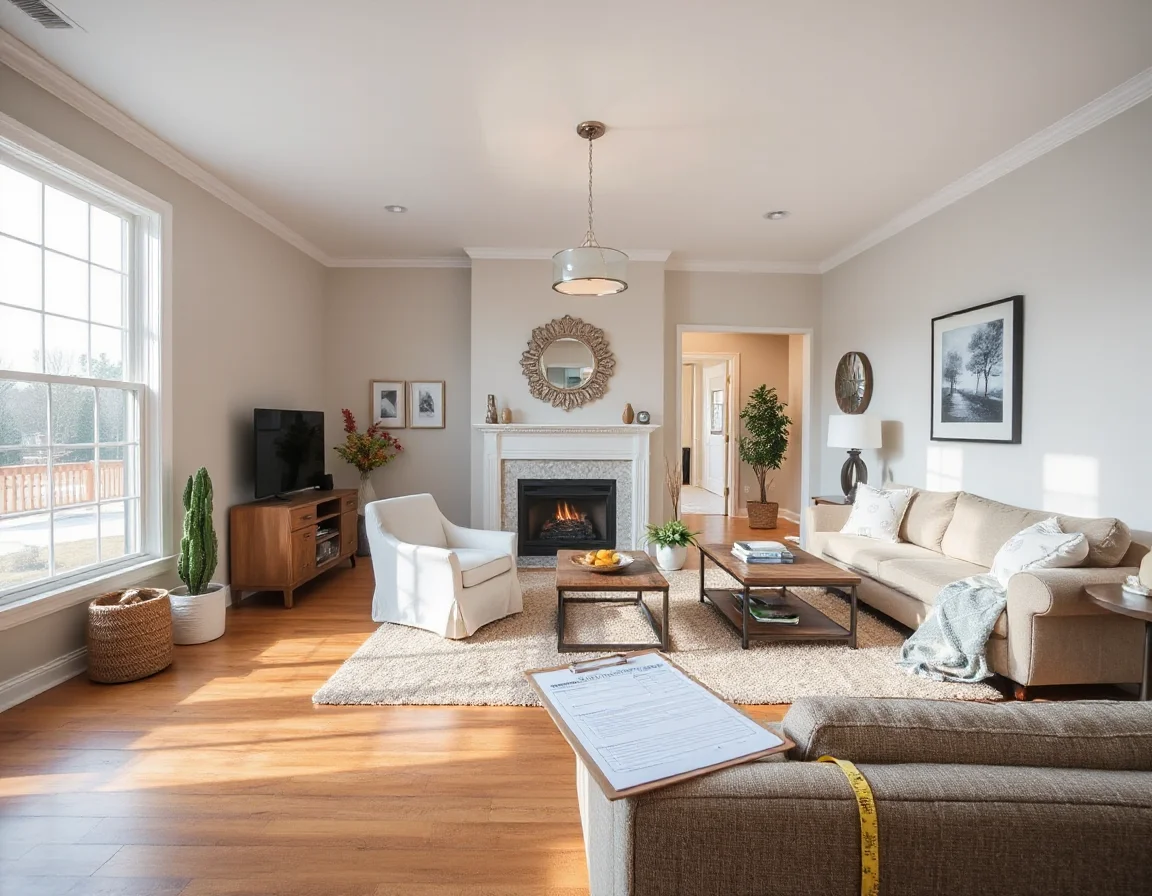
For significant issues, seek estimates from appropriately licensed contractors before deciding how to proceed. Estimates can vary depending on material choices, access, scheduling, and the full extent of work once repairs begin. A specialist may also identify details that are not visible during a general inspection. Gathering that information during the contract timeline allows you to make decisions based on clearer facts rather than assumptions.
When repairs are needed, your options may depend on the purchase agreement, local practice, and the seller’s response. Buyers sometimes request repairs, a credit, a price adjustment, or simply decide to move forward with a maintenance plan. There is no universal best choice. A well-targeted request generally prioritizes documented concerns that affect safety, water intrusion, core systems, or the property’s intended function rather than every minor item listed in the report.
Ask every contractor or specialist for the scope of work in writing. A specific recommendation is easier to compare than a broad verbal estimate, especially when more than one repair path is possible.
Also consider your planned ownership costs after closing. Set aside funds for seasonal servicing, filters, caulking, gutter cleaning, landscaping, and other recurring tasks. If the inspection identifies aging equipment that is working today, a reserve fund can reduce the surprise of a later replacement. This proactive approach lets you enjoy the home while making maintenance decisions on your own timeline whenever conditions allow.
Use the Inspection to Plan a Confident Next Step
A strong inspection process is about information, not alarm. The report gives you a practical snapshot of accessible conditions on a particular day, while conversations with inspectors and specialists add context. By reviewing the exterior, water management, HVAC, electrical, plumbing, structural observations, and routine maintenance needs, you can better understand what ownership may involve.
Before removing an inspection contingency or moving toward closing, revisit your notes, estimates, contract deadlines, and priorities. Make sure any negotiated repair terms are clearly documented, and retain inspection records for future maintenance planning. Whether the report confirms that a property is a good fit or encourages you to continue your search, the time spent inspecting carefully is valuable.
With a grounded checklist and the right professional guidance, you can evaluate a Buford home with more clarity and less guesswork. Focus on the property’s condition, ask direct questions, and give yourself enough time to make an informed decision.