
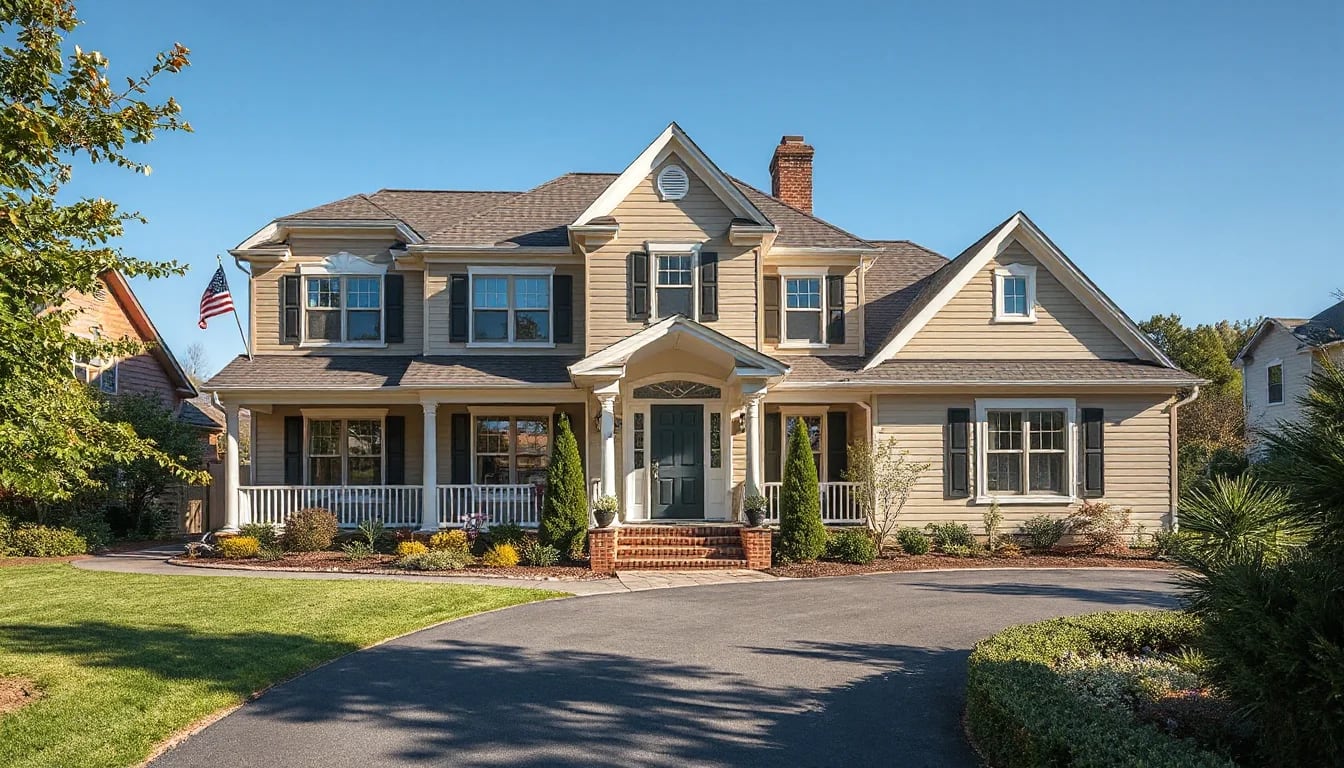
A Buford home can be more than a place to live: it can be a long-term financial asset shaped by location, condition, carrying costs, and the choices you make after closing. Evaluating return on investment means looking beyond today’s list price and estimating how a property may serve your plans over several years. A clear framework helps buyers compare options with confidence rather than chasing short-term market noise.
Start with the full cost of ownership
Long-term return on investment begins with a number that is larger than the purchase price. When evaluating a home in Buford, build a realistic ownership picture that includes the down payment, loan terms, closing costs, property taxes, insurance, homeowner association dues when applicable, utilities, maintenance, and anticipated repairs. A home that appears affordable at first glance can carry very different monthly and annual obligations depending on its age, systems, lot, and community requirements.
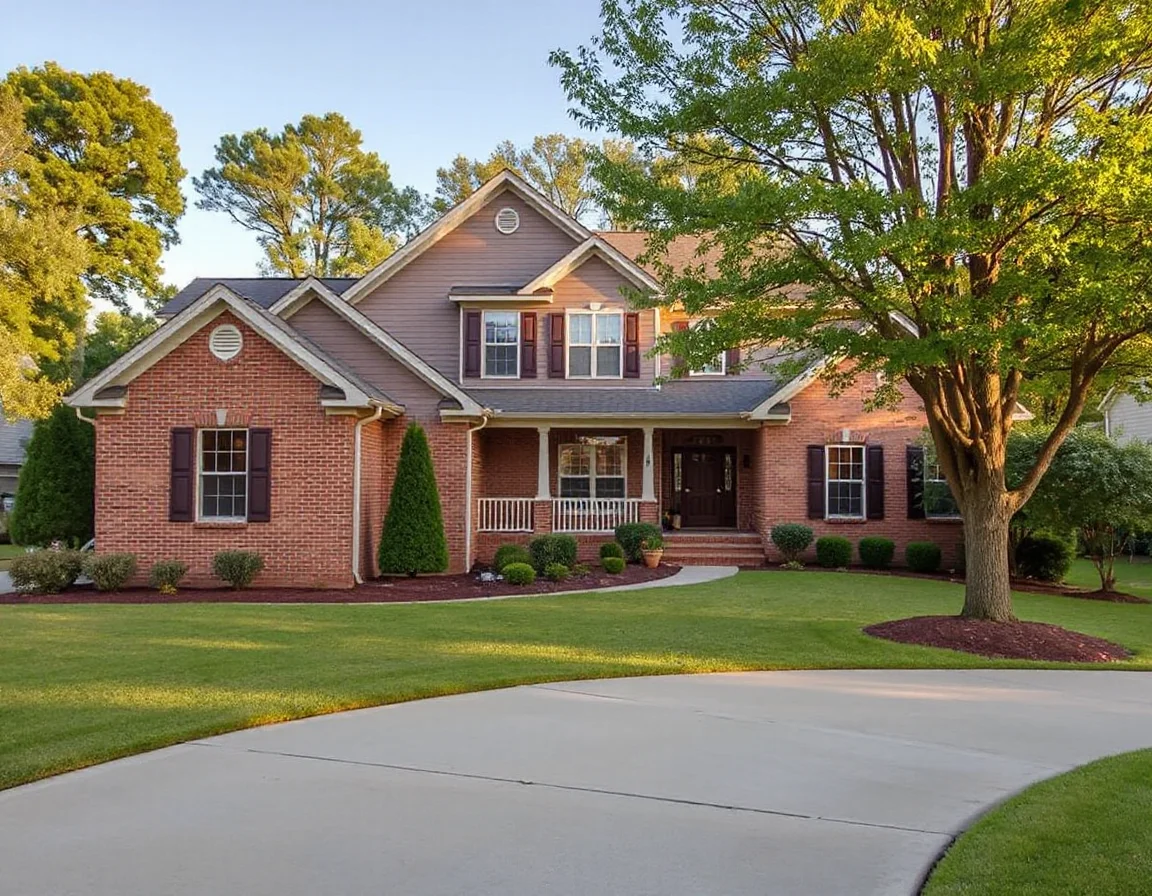
Think in annual costs, not just monthly payments. A useful approach is to set aside a maintenance reserve each year, especially for roofs, heating and cooling equipment, appliances, exterior paint, drainage, and landscaping. Inspection findings can help identify near-term projects before an offer is written. Asking for estimates on known repairs gives you a more meaningful comparison between two similarly priced homes.
Financing also affects the timeline for building equity. A lower interest rate, an appropriate down payment, and additional principal payments may reduce the total cost of borrowing over time. At the same time, buyers should preserve a practical cash reserve rather than directing every available dollar toward the closing table. Long-term ownership tends to be easier to sustain when routine upkeep and unexpected repairs are already part of the plan.
A home’s strongest ROI story is often the one with predictable costs: documented maintenance, sound major systems, and enough room in the budget for repairs that cannot be postponed.
It is also helpful to separate improvements that protect the property from upgrades made primarily for personal preference. Replacing a failing roof, correcting water intrusion, or updating an outdated electrical panel can preserve condition and marketability. Decorative projects may still improve daily enjoyment, but their resale impact depends on workmanship, buyer preferences, and the price range of nearby properties.
Location factors that support everyday value
Buford offers a mix of established neighborhoods, newer construction, access to Lake Lanier, local parks, commercial corridors, and routes that connect to surrounding Gwinnett and Hall County destinations. For a long-term buyer, the goal is not to predict a single future outcome; it is to identify location features that remain useful across changing market cycles. Convenient access to major roads, recreation areas, employment centers, services, and public amenities can all influence how a property is viewed by future buyers.
Look closely at the immediate setting as well as the broader map. Observe traffic patterns at different times of day, lot orientation, drainage, nearby construction, noise sources, and the condition of surrounding homes. Review zoning and public planning information when future development could affect access, views, or local activity. These are practical due-diligence steps, not reasons to rule an area in or out based on assumptions.
Explore Buford area information
Property type matters too. A townhome may offer lower exterior maintenance responsibilities but include association rules and recurring dues. A detached home may provide more control over the structure and lot while placing more maintenance responsibility on the owner. Neither option is automatically better for ROI; the better fit is the one whose costs, condition, and features align with your expected ownership period and financial plan.
Compare condition, layout, and resale flexibility
Homes with durable construction, functional layouts, and well-kept systems are often easier to maintain and easier for future buyers to understand. That does not mean every purchase should be turnkey. A property needing updates can create value when the scope of work is clear, the budget is realistic, and the completed improvements are appropriate for the location. The key is avoiding a renovation plan based solely on television budgets or broad online estimates.
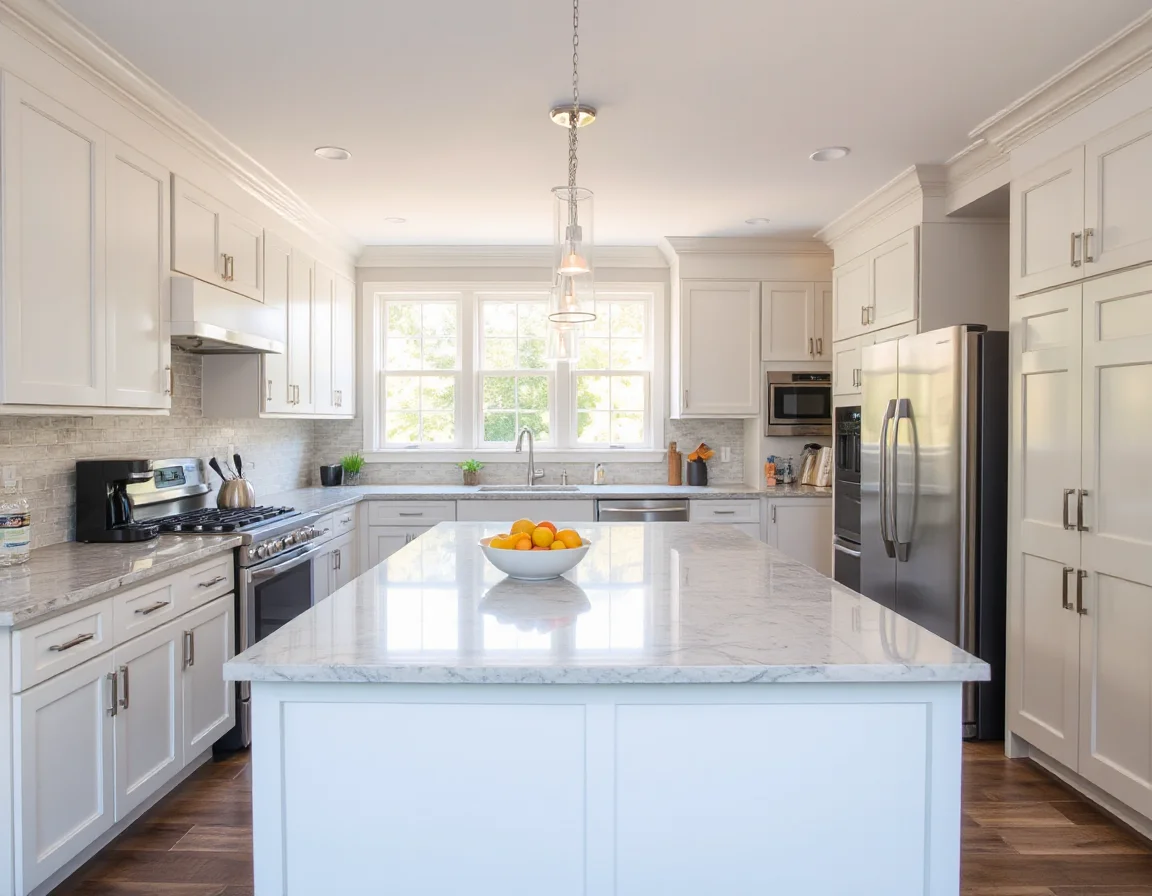
During showings, pay attention to fundamentals: roof age, HVAC service history, windows, insulation, plumbing, electrical capacity, grading, and signs of moisture. A professional inspection can provide a detailed snapshot, while contractor conversations may clarify the likely cost and timing of larger projects. Keep records of work completed after closing; organized documentation can be valuable when it is time to sell.
Layout is another long-view consideration. Flexible rooms, usable storage, practical parking, accessible outdoor areas, and good natural light can remain appealing even as design trends change. Highly specialized finishes or unusually configured spaces may be perfect for one owner but narrower in appeal later. The most resilient choices typically balance personality with functionality.
Comparable sales should guide expectations. Review recently sold homes that share a similar location, age, size, condition, and property type, then consider how the subject home differs. An agent can help distinguish between a feature that supports a price premium and one that simply brings a home in line with nearby competition. This comparison is more useful than relying on a countywide average or a headline about the market.
Before investing in upgrades, ask one practical question: will this repair protect the home, improve everyday function, or make the property more competitive with nearby homes? The answer helps prioritize spending.
Plan for time, liquidity, and market changes
Real estate is generally a long-term asset, and market conditions do not move in a straight line. Values may rise, level off, or decline over shorter periods as inventory, interest rates, employment trends, and buyer demand shift. A buyer who expects to own for several years has more time to absorb normal market changes than someone who may need to sell quickly after closing.
Consider your likely holding period before selecting a price point and property condition level. If a move could be necessary within a short window, transaction costs may have a larger effect on the outcome. If the home is intended for a longer horizon, equity growth, mortgage paydown, and carefully selected maintenance may have more opportunity to work together. No strategy removes uncertainty, but a longer perspective can reduce the pressure to react to every monthly market update.
Keep liquidity in the equation. A purchase should leave room for moving expenses, repairs, insurance changes, and ordinary life events. Buyers sometimes focus so intensely on winning an offer that they overlook the value of financial flexibility after closing. A sustainable ownership plan can be a meaningful part of the return, even when it does not appear on a listing sheet.
Make the decision with a written comparison
When several homes are under consideration, create a side-by-side worksheet. Include purchase price, estimated payment, taxes, insurance, association dues, projected repairs, commute routes, lot features, condition notes, and the improvements each property may need over the next five to ten years. Adding these details transforms a broad emotional decision into a practical comparison without losing sight of how each home feels in person.
Long-term ROI in Buford is rarely about finding a flawless prediction. It is about buying with clear expectations, maintaining the property well, and choosing a location and home design that can remain useful through changing needs and market cycles. With sound due diligence and a realistic budget, buyers can evaluate each opportunity as both a home today and an asset for the years ahead.