

Closing costs in Buford can add up quickly, but they are usually predictable once you know the categories to expect. From lender fees and prepaid taxes to title work and insurance, a solid budget helps you avoid last-minute surprises and compare offers more confidently. This guide breaks down the common line items, shows where costs can vary, and explains a few practical ways buyers may be able to reduce out-of-pocket cash at closing.
How much should buyers set aside?
When people focus on a home purchase, the down payment usually gets all the attention. The second big number, though, is closing costs. In Buford, a practical planning range for many buyers is often around 2% to 5% of the purchase price, depending on loan type, lender pricing, prepaid items, and whether the seller contributes toward some costs. On a $400,000 purchase, that can mean roughly $8,000 to $20,000, which is a wide range for a reason: some charges are fixed service fees, while others rise or fall with the loan amount, tax schedule, and insurance premiums.
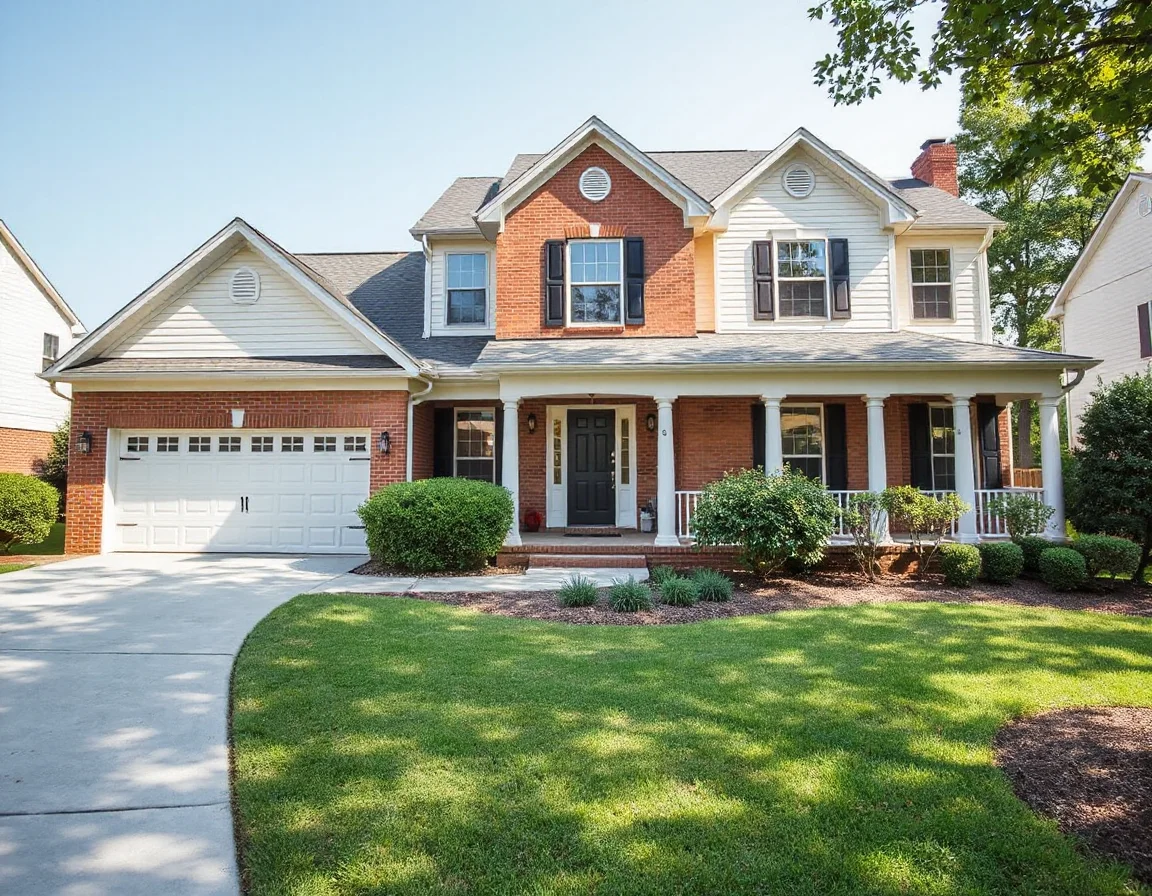
A useful way to think about closing costs is to split them into three buckets. First, there are lender and loan-related fees, such as origination charges, underwriting, appraisal, credit reports, and discount points if you choose to pay for a lower interest rate. Second, there are title and settlement fees, including title search, lender’s title insurance, closing attorney or settlement services, and recording charges. Third, there are prepaid items and escrow funding, which may include homeowners insurance, daily interest, and several months of property taxes or insurance reserves collected up front by the lender.
Because Buford buyers may be looking at a range of property types and price points, the smartest move is not to rely on a flat dollar estimate from a friend or a generic online post. Instead, compare the lender’s Loan Estimate with your purchase price, your planned down payment, and the month you expect to close. The timing matters because prepaid interest and tax escrows can change noticeably depending on the closing date.
A late-month closing can reduce prepaid daily interest compared with a closing at the beginning of the month, even when the purchase price stays the same.
The main line items that shape your total
Some of the most visible costs come directly from the mortgage process. Your lender may charge an origination or processing fee, and the appraisal is typically a separate charge. If your loan program requires mortgage insurance, that may affect your cash needed at closing as well, although part of that cost can sometimes be built into the monthly payment rather than paid entirely upfront. Buyers who choose discount points to lower the rate should pay special attention here, because points can significantly increase closing cash even if they improve long-term payment math.
Title-related expenses are another important piece. In Georgia, buyers will commonly see charges tied to title examination, title insurance, recording, and attorney or settlement coordination. These fees protect the lender’s interest, document the transfer properly, and help verify that the title history is clear. While these charges can feel technical, they are standard parts of getting from contract to closing table.
Then there are the prepaid items, which are not “junk fees” at all but future housing expenses collected in advance. Lenders often collect the first year of homeowners insurance premium or a portion of it, plus escrow deposits for taxes and insurance. If the property has an HOA, there may also be transfer or disclosure-related fees. Those charges vary by community and management company, so they are worth confirming early in the contract period.
If you are comparing two homes in Buford and one has a lower asking price but higher HOA-related costs or insurance premiums, your actual cash-to-close may not be as different as it first appears. That is why buyers benefit from reviewing the full cost picture instead of focusing only on price and monthly principal-and-interest payment.
Where buyers sometimes get surprised
One common surprise is the difference between the initial estimate and the final number. Some charges may move only slightly, but prepaid items can shift if the insurance quote changes, if taxes are updated, or if the closing date moves. Another surprise is how quickly optional choices can increase the total. Paying discount points, adding an owner’s title policy, or selecting a different insurance package may all be reasonable decisions, but they should be made with a clear understanding of the cash impact.

Inspection costs are another item buyers should budget for, even though they are usually paid before closing rather than at the table. A general home inspection, and possibly additional specialty inspections depending on the property, should be part of the overall purchase budget. These expenses do not always appear in the final closing disclosure the same way loan and title fees do, but they still affect the amount of cash you need during the transaction.
It is also important to keep moving expenses, utility setup, and immediate post-closing purchases separate from true closing costs. From a household budgeting standpoint, however, they matter just as much. If your closing budget is tight, the first few weeks after purchase can feel more expensive than expected simply because those extra transition costs arrive all at once.
A strong budgeting plan includes not just “cash to close,” but also inspection fees, moving costs, utility deposits, and a repair reserve for the first few months of ownership.
For that reason, many buyers choose to keep a cushion above the lender’s estimated cash-to-close. Even a reserve equal to 1% of the purchase price can make the process feel much more manageable if small adjustments come up before settlement.
Ways to lower out-of-pocket closing costs
Not every fee is fully negotiable, but buyers do have options. The first is to compare lenders carefully. Interest rate, lender credits, and fee structure should be reviewed together rather than one at a time. A lender offering a slightly higher rate may provide credits that reduce upfront closing costs, while another may offer a lower rate with higher cash due at closing. Neither is automatically better; it depends on your timeline and priorities.
Another strategy is to negotiate seller concessions when market conditions and contract terms support it. Seller-paid closing costs can help reduce immediate cash needs, although the structure must fit the loan program and appraisal outcomes. Buyers should also ask for a current estimate of title, attorney, HOA, and tax-related charges as early as possible so there is time to plan rather than react.
Finally, avoid making budgeting decisions based on rough percentages alone. Review the Loan Estimate line by line, ask questions about anything unclear, and update your totals whenever the closing date or insurance quote changes. Clear communication between lender, agent, and closing professionals often prevents the most frustrating surprises.
Ask about your estimated cash to close
A practical Buford budgeting approach
A simple way to prepare is to build a working spreadsheet with four columns: down payment, lender fees, title/settlement fees, and prepaid items. Add a fifth line for inspections already paid and a sixth for a post-closing reserve. Then compare that total with the latest lender estimate. This approach gives you a more realistic number than a broad rule of thumb and helps you decide whether to preserve cash, negotiate credits, or adjust your purchase range.
For buyers looking in Buford, the goal is not just getting to the closing table, but arriving there with confidence. A well-prepared budget makes it easier to evaluate homes, understand tradeoffs, and move forward without the stress of unexpected line items. When you know what to expect, closing costs become a planning tool instead of a surprise.