

Pricing a home well from day one can shape the pace of showings, the strength of offers, and how much leverage a seller keeps during negotiations. In Buford, where buyers often compare homes quickly online, the right price is not just a number—it is part of the marketing strategy. This guide breaks down how to evaluate competition, read current market signals, and position your property for a faster sale without relying on guesswork.
Why the First Price Matters More Than Most Sellers Expect
When a home first hits the market, it gets its best burst of attention. New listings often draw the highest number of online views, saved searches, and early showing requests, which means the opening price has outsized influence on buyer response. If that number feels aligned with current conditions, the home can create momentum quickly. If it feels noticeably high, many buyers simply move on to the next option without scheduling a visit.
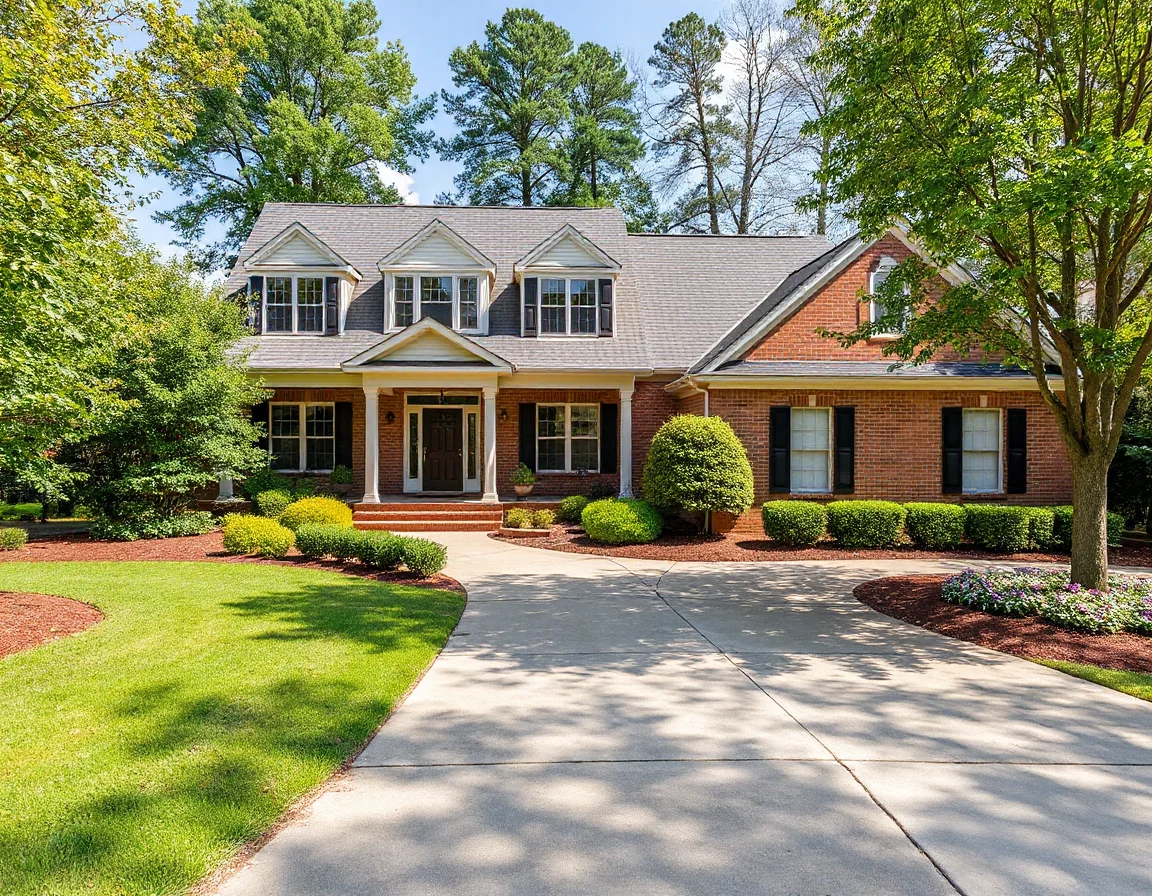
That early window is especially important because today’s buyers can compare dozens of properties in minutes. They are looking at price per square foot, lot size, finishes, age of systems, and photos before they ever step inside. A home that is priced even a little above nearby alternatives may be skipped, while a home positioned competitively is more likely to earn multiple tours in its first week.
For sellers, the goal is not automatically to pick the highest possible number. It is to choose a number that reflects how the home stacks up against active competition and recent closed sales in Buford. A smart opening price can reduce time on market, help preserve negotiating strength, and limit the need for later price drops that can make buyers wonder what was missed the first time around.
A price reduction after several quiet weeks often attracts less excitement than a strong launch at a realistic number. Early attention is usually the most valuable attention a listing receives.
There is also a practical side to this. Homes that sit too long can create carrying costs through mortgage payments, taxes, insurance, utilities, and upkeep. A slightly aggressive pricing strategy may look appealing on paper, but if it delays a sale, the financial difference can narrow fast. Speed and net proceeds are connected more closely than many people assume.
Use Comparable Sales, Not Hope, as the Baseline
One of the best ways to price a Buford home is to start with comparable sales that closed recently and share similar characteristics. The most useful comps tend to be properties with similar square footage, bed and bath count, lot profile, condition, and neighborhood setting. A renovated home with updated kitchen and bath finishes should not be measured the same way as a home needing cosmetic work, even if the floor plans look close on paper.
It is also important to separate sold homes from active homes. Closed sales show what buyers were actually willing to pay. Active listings show the competition your home must beat. Pending sales can help as well because they often reveal where demand is landing right now, even before final closing numbers are available.
In Buford, pricing can shift not only by subdivision but also by lot size, access to major roads, proximity to retail and recreation, school calendar timing, and whether inventory is tightening or expanding. That is why broad county-level estimates often miss the mark. Hyper-local comparisons usually provide a better picture than generic online valuation tools.
Condition adjustments matter too. If your property has a newer roof, fresh paint, updated flooring, or strong outdoor living space, those features may support a better position within the competitive range. On the other hand, deferred maintenance, outdated finishes, or a layout that feels less flexible than nearby listings may require a sharper price to create urgency.
Read the Current Competition Like a Buyer Would
Once recent sales establish a baseline, the next step is to study the homes currently for sale. Buyers are not comparing your property to one perfect match; they are comparing it to every attractive option within their budget. That means pricing should reflect not only what your home is, but what else a buyer can get for similar money right now.
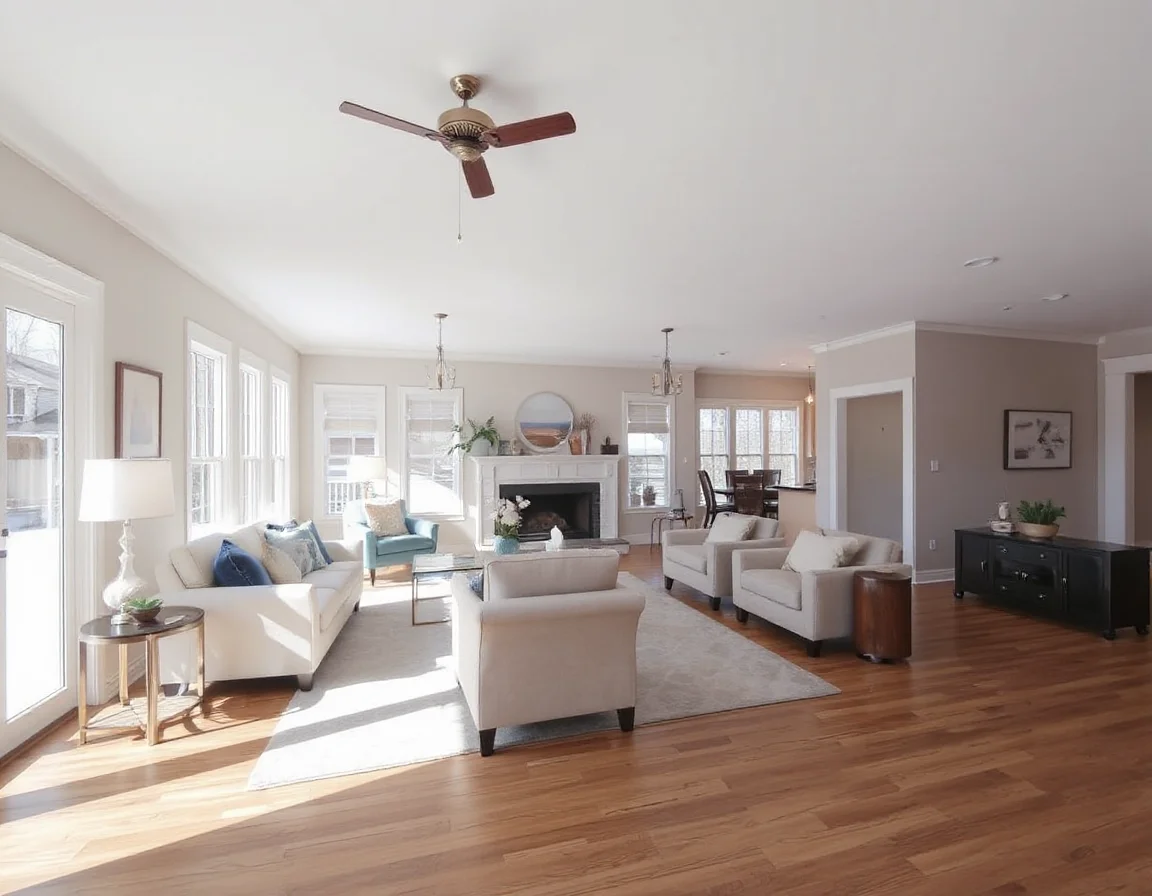
A useful exercise is to ask: if a buyer sees your listing beside three others, what makes yours stand out? It could be a larger kitchen, a better backyard setup, a more updated interior, or simply stronger presentation in photos. But if another home has more visible upgrades at the same price, your list price may need to leave room for that difference.
Presentation and pricing work together. Clean staging, minor repairs, landscaping touch-ups, and clear photography can improve perceived value, which helps justify the asking price. On the flip side, a home that enters the market with clutter, unfinished projects, or dim listing photos may need more aggressive pricing to generate the same activity.
If several comparable Buford listings have been active for weeks, that is not a sign to match them automatically. It may be a sign the market is rejecting those prices.
Pay attention to days on market as well. A fresh listing priced in line with successful recent sales may move quickly. A cluster of stale listings in the same range can signal that buyers view that bracket as too high. In that case, strategic pricing just below a crowded threshold can make your home feel more compelling during online searches and in-person tours.
Timing also affects the competitive picture. New inventory, interest rate changes, and seasonal shifts can all influence how buyers respond. A price that looked reasonable a month ago may need adjustment if the market has added more competing homes since then.
How to Avoid the Most Common Pricing Mistakes
Sellers often run into trouble when they price based on emotion, improvement costs, or a target profit rather than market evidence. While upgrades can absolutely increase appeal, not every dollar spent translates into equal resale value. Buyers tend to reward functionality, condition, and overall presentation, but they still compare your home against realistic alternatives.
Another common mistake is “leaving room to negotiate” by starting too high. In practice, an inflated list price can reduce showings and weaken the seller’s position. Fewer interested buyers often means fewer offers, and fewer offers usually means less leverage. A well-priced listing can sometimes create stronger terms because it attracts broader attention early.
There is also a tendency to rely too heavily on the highest sale in the area. That sale may have had a premium lot, exceptional updates, or market timing that no longer applies. Good pricing uses ranges, patterns, and context—not one isolated number.
Finally, do not ignore feedback once the home is live. If showings are happening but offers are not, buyers may like the home but resist the price. If online views are solid but showing activity is thin, the first impression may not be landing. Quick, measured adjustments can be more effective than waiting too long and losing freshness.
A Practical Strategy for Pricing in Buford
The strongest pricing plans usually blend three things: recent sold data, current competition, and honest assessment of condition. Start by identifying a realistic value band based on comparable homes. Then narrow that band by asking where your property fits relative to active alternatives. If the home shows beautifully and compares favorably, it may support pricing toward the top of the range. If updates are limited or competition is strong, pricing near or slightly below the middle of that band may create faster traction.

Many sellers also benefit from thinking in search brackets. A home priced just under a common threshold may appear in more buyer searches and feel more competitive next to homes slightly above that line. Small pricing decisions can make a noticeable difference in visibility and response.
Buford continues to attract attention for its location, amenities, and housing options, but that does not remove the need for discipline. Even in active conditions, buyers remain price-aware. The homes that move fastest are usually the ones that make sense on paper and feel compelling in person.
Talk through your selling strategy
If you are preparing to sell, the best next move is to treat pricing as a launch decision, not a last-minute guess. With the right market read, a strong presentation plan, and a number grounded in evidence, your home can enter the market with confidence and compete effectively from the start.