

Buying your first home in Buford becomes much more manageable when you break the process into clear steps: financing, home search, offer strategy, inspections, and closing. This guide walks through what happens at each stage, where buyers often lose time, and how to stay prepared in a competitive market. If you want fewer surprises and better decision-making, a solid roadmap makes all the difference.
Start With Financing Before Touring Homes
The smartest first move is getting pre-approved before scheduling showings. That step gives you a realistic price range, helps you understand your monthly payment options, and shows sellers that your offer is backed by a lender review rather than a rough online estimate. In a market like Buford, where well-presented homes can attract quick interest, having financing organized early can keep you from scrambling when the right property appears.

Pre-approval is different from pre-qualification. A lender typically reviews your income, debts, assets, and credit profile in more detail, then issues a letter showing the loan amount you may qualify for. It is also a good time to ask about down payment requirements, closing costs, reserve expectations, and whether a fixed-rate or adjustable-rate loan fits your comfort level. First-time buyers often focus only on the purchase price, but the monthly total matters just as much.
Before you apply, gather recent pay stubs, W-2s or tax returns, bank statements, and information for any major debts. Avoid opening new credit lines or making large unexplained deposits during this stage if possible, since underwriters may ask for added documentation later. A clean paper trail can save days of back-and-forth.
A pre-approval letter is most useful when it is current and matched to your real budget, not just the highest number a lender offers. Leaving room for taxes, insurance, maintenance, and moving costs can make ownership feel much smoother after closing.
Compare mortgage lender options
Build a Search Plan That Fits Buford Inventory
Once financing is in place, the next step is defining what you need versus what would simply be nice to have. That may include number of bedrooms, layout, lot size, garage space, commute preferences, HOA structure, or proximity to parks, retail, and major roads. Buford offers a mix of newer subdivisions, established neighborhoods, townhomes, and homes with more varied lot sizes, so clarity helps you sort listings faster.
It also helps to think in terms of tradeoffs. A home with a newer roof and updated systems may be more valuable to you than a larger dining room. A shorter drive to everyday destinations may matter more than an extra flex space. First-time buyers can get overwhelmed by the volume of listings or distracted by cosmetic details, but focusing on long-term livability and condition often leads to better choices.
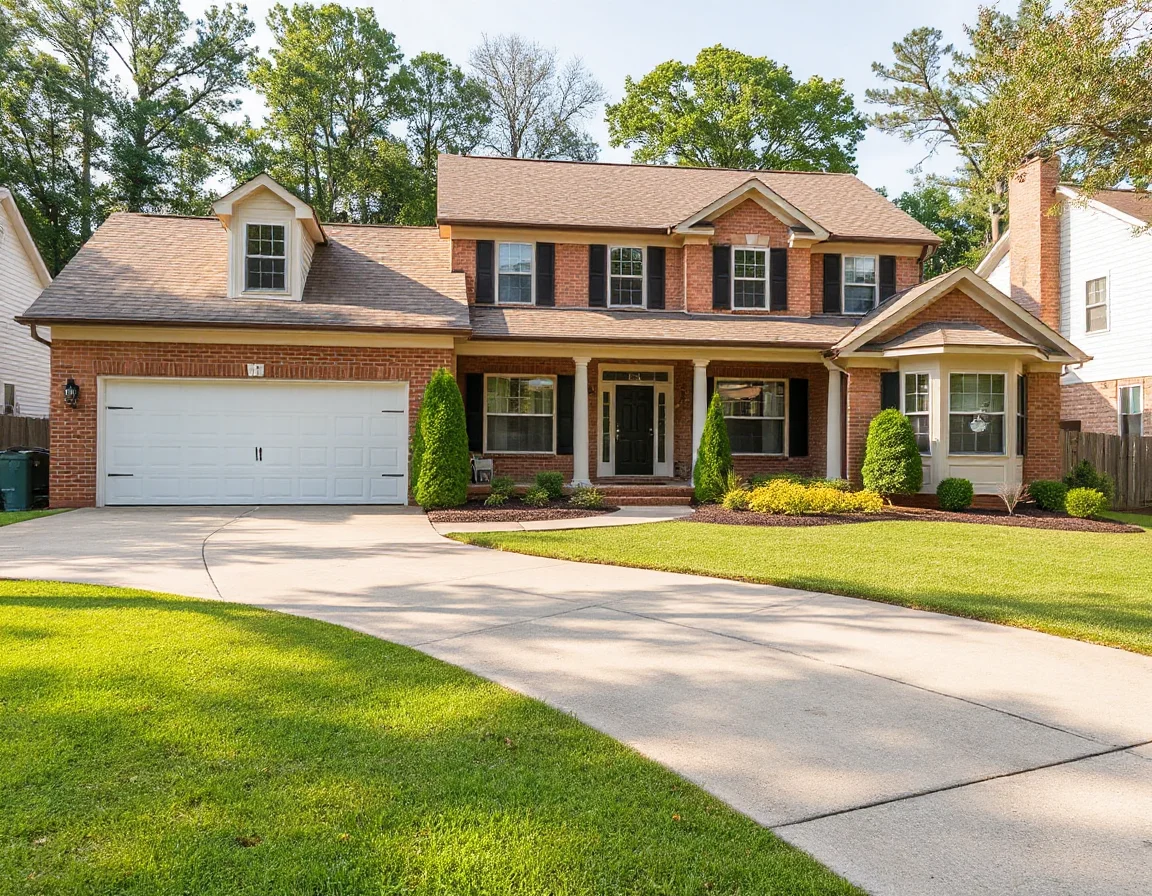
As you tour homes, take notes on condition, natural light, storage, noise, and signs of deferred maintenance. Photos on a listing can make every kitchen look similar, but in person you will notice floorplan flow, ceiling height, and how the property feels during different times of day. Try to compare each home against your priorities rather than against perfect online inspiration.
Buford buyers should also watch how long homes stay on the market and whether sellers are making price adjustments. That information can shape your offer strategy later. If inventory is tight, you may need to move decisively on strong listings. If a property has been sitting, there may be more room for negotiation on price or terms.
Your best shortlist is usually three to five non-negotiables and a separate list of flexible features. That approach makes fast decisions easier when a new listing matches most of what you want.
Make a Competitive Offer Without Skipping Due Diligence
When you find a home you want, your offer should reflect more than just price. Closing timeline, financing type, earnest money, inspection terms, and appraisal flexibility all influence how attractive your offer looks to a seller. A well-structured offer can compete effectively even when it is not the absolute highest number, especially if it removes uncertainty for the seller.
That said, first-time buyers should be careful not to waive important protections just to win. Inspections remain one of the most valuable parts of the process because they help you understand the condition of the roof, HVAC, plumbing, electrical systems, and any potential repair concerns. The goal is not to expect a flawless house, but to know what you are buying and what future costs may be coming.
After your offer is accepted, your contract timelines start moving quickly. The lender orders the appraisal, title work begins, and you will likely schedule inspections within a short window. Read reports carefully and focus on material issues rather than minor cosmetic imperfections. In many transactions, the next step is negotiating repairs, requesting a credit, or deciding to move forward as-is based on the overall condition and market context.
Prepare for the Final Stretch to Closing
The period between contract and closing can feel deceptively quiet, but it is when many important details come together. Your lender may request updated bank statements, proof of insurance, or clarification on deposits. Responding quickly helps keep underwriting on track. At the same time, avoid major financial changes such as switching jobs, financing a vehicle, or making unusually large purchases, since those can affect your loan approval.

You will also review your closing disclosure, which outlines your final loan terms, monthly payment estimates, and cash needed to close. Compare it with earlier estimates so you understand what changed and why. This is the time to ask questions about lender fees, prepaid items, escrow amounts, and how funds must be delivered on closing day.
Near the end of the process, you will complete a final walkthrough of the property. This is your opportunity to confirm the home is in the agreed-upon condition, negotiated repairs have been addressed if applicable, and no new issues are visible. Bring your contract summary and inspection resolution notes so you know exactly what to verify.
Closing day itself is usually more straightforward than buyers expect. You will sign a stack of documents, confirm identity, and finalize the transfer once funds and title requirements are complete. After that, you receive the keys and officially become a homeowner.
A Steady Process Leads to Better First Decisions
Buying your first home in Buford does not require having every answer on day one. It requires a sequence: know your financing, define your priorities, move quickly on strong opportunities, protect yourself during due diligence, and stay responsive through closing. When each step is handled in order, the process feels far less intimidating and much more actionable.
The best first purchase is not the one that looks perfect online; it is the one that fits your budget, supports your daily routine, and gives you confidence in the condition and terms. With the right preparation, first-time buyers can navigate Buford with more clarity, less stress, and a better chance of making a decision they feel good about long after move-in day.