

A strong Lawrenceville listing begins well before the sign goes in the yard. A focused plan for repairs, presentation, photography, and pricing can help buyers understand your home’s value quickly and make the showing experience feel effortless. Use this checklist to prioritize the details that matter without turning preparation into an endless renovation project.
Start With a Clear Pre-Listing Plan
Preparing to sell can feel like a long to-do list, but the most effective approach is not to change everything at once. Start by looking at the property through a buyer’s eyes: the first online photo, the approach to the front door, the condition of key rooms, and the overall sense of maintenance. In Lawrenceville, where buyers may compare a range of home styles, lot sizes, and updates across Gwinnett County, a well-organized presentation helps your property stand out for the right reasons.
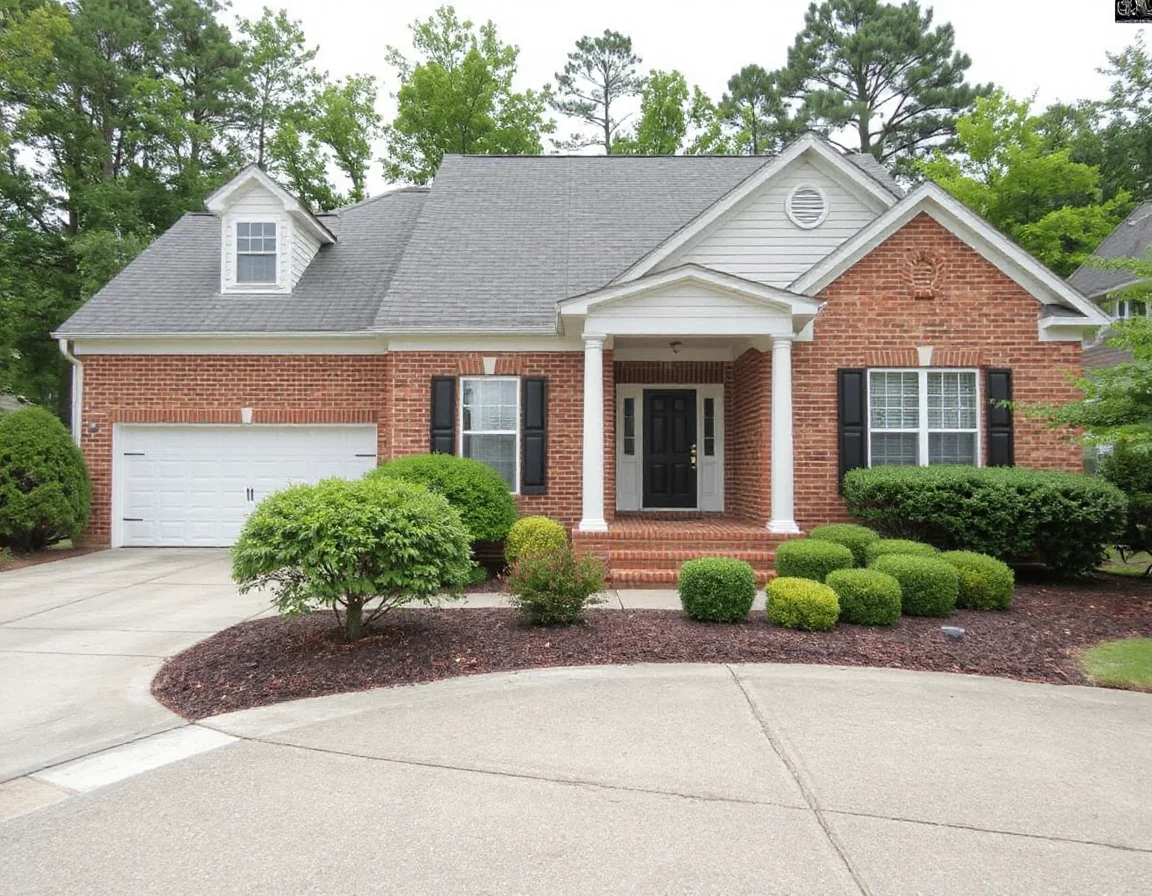
Begin with a practical walkthrough and make three lists: items that need repair, items that need cleaning, and items that simply need to be put away. Loose door hardware, burnt-out bulbs, dripping faucets, cracked caulk, and scuffed paint are small details, yet they can distract from an otherwise appealing home. Addressing visible maintenance signals that the property has been cared for and allows buyers to focus on the layout, natural light, storage, and outdoor space.
Next, decide where your time and budget will have the strongest impact. Fresh neutral paint in a heavily marked room may be worthwhile; replacing an entire kitchen solely for a sale may not be. The goal is to make thoughtful, market-aware improvements, not to create a home that no longer fits your budget or timeline. Keep invoices and service records for recent work, including HVAC maintenance, roof repairs, appliance servicing, or major updates, since organized documentation can be useful during negotiations.
A pre-listing checklist works best when every item has a purpose: remove a distraction, improve a photograph, or clarify the home’s condition for a prospective buyer.
It also helps to establish a realistic calendar. Allow time for repairs, deep cleaning, staging, photography, listing preparation, and showings. Rushing through the final week can create unnecessary stress, especially if vendors need access to the home or if weather affects exterior work. A clear sequence makes it easier to complete the high-impact items first and leave lower-priority projects for later if needed.
Create a Showing-Ready First Impression
Curb appeal is the opening chapter of every in-person showing. Buyers often form an initial impression before they step inside, so concentrate on the entry, landscaping, exterior lighting, and visible surfaces. Mow and edge the lawn, remove fallen branches, refresh mulch where appropriate, clean the front door and porch, and make sure house numbers are easy to see. A tidy driveway and uncluttered exterior help the architecture and setting take center stage.
Inside, cleaning is often more influential than adding décor. Pay particular attention to windows, baseboards, flooring, kitchen surfaces, bathroom fixtures, and light switches. Remove excess items from counters and shelves so rooms appear functional and easy to navigate. Closets and cabinets do not need to be empty, but reducing their contents helps demonstrate available storage without making the home feel staged beyond recognition.
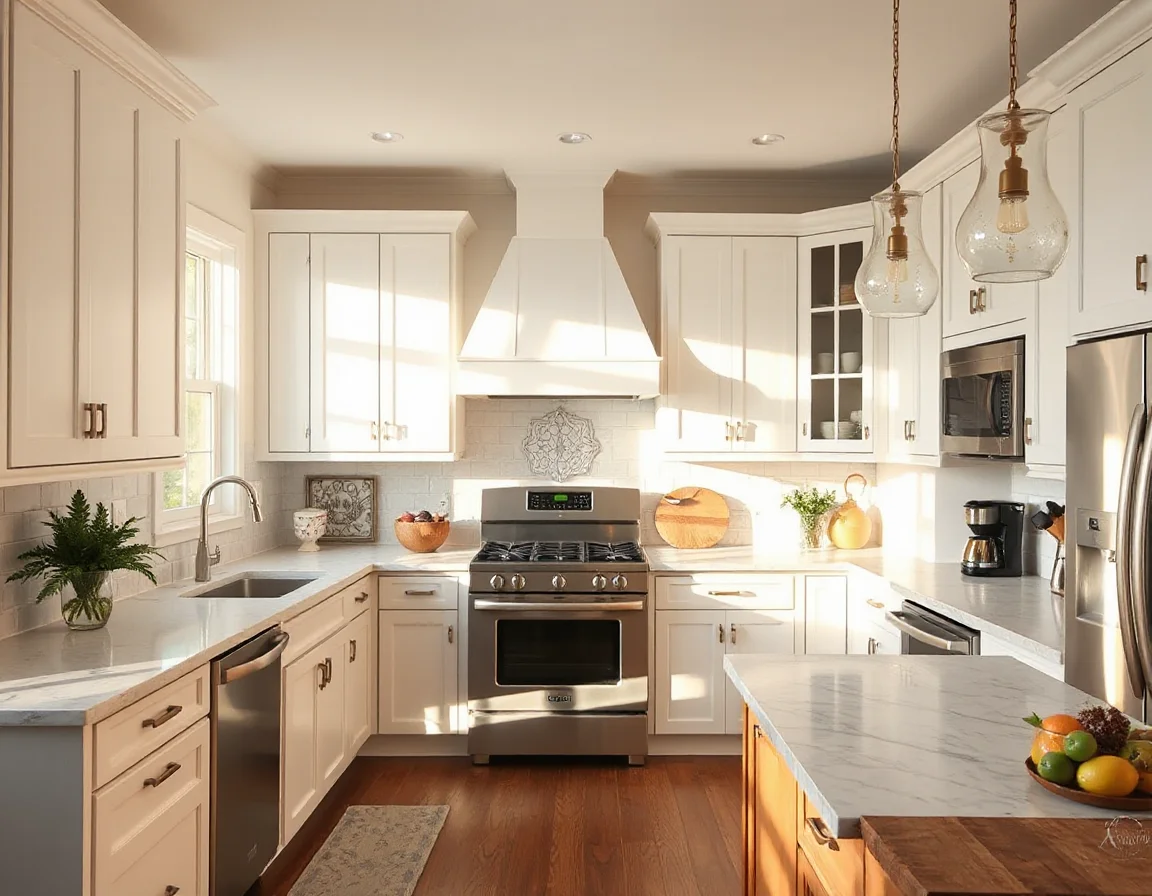
Staging does not have to mean renting every piece of furniture. Often, it means editing what is already there. Rearrange furniture to create clear pathways, use appropriately sized pieces to show a room’s dimensions, and remove personal photos or highly specific collections. Neutral textiles, simple artwork, and a few intentional accessories can make rooms feel polished while allowing buyers to imagine how they might use the space.
Lighting deserves special attention because it affects both photographs and showings. Open blinds and curtains, replace mismatched bulbs, and use consistent warm or soft-white lighting where possible. Before a scheduled showing, turn on key lights, secure pets according to the showing plan, empty trash bins, and avoid strong fragrances. Clean air and an orderly environment tend to make a more memorable impression than any heavily scented product.
- Entry: Clean the door, porch, walkway, and visible windows.
- Living areas: Reduce furniture and clear surfaces to define each room’s purpose.
- Kitchen: Store small appliances, magnets, paperwork, and most countertop items.
- Bathrooms: Refresh towels, clear counters, and repair minor caulk or grout issues.
- Outdoor areas: Sweep patios and decks, remove worn items, and show usable space clearly.
Professional photography should follow—not precede—this preparation. Strong listing images are the first showing for many buyers, and they should accurately highlight the property’s best features. Well-lit images of gathering areas, kitchens, primary living spaces, outdoor areas, and architectural details can give buyers a useful, inviting overview before they schedule a visit.
Talk through your Lawrenceville selling plan
Price With Current Competition in Mind
Pricing is where preparation meets strategy. A beautiful home can still struggle to gain momentum if its initial price does not align with current buyer expectations and competing listings. Rather than relying only on an online estimate or the price paid years ago, review recent comparable sales, active listings, pending properties when available, condition, location, lot characteristics, and the features buyers are seeing at similar price points.
Active listings show the choices buyers can consider today, while recent closed sales provide evidence of what the market has supported. Both matter. A home with updated systems, renovated living spaces, a flexible layout, or a particularly appealing outdoor area may compare differently from another property with the same bedroom count. Conversely, deferred maintenance or an unusual floor plan should be weighed candidly rather than ignored.
Launching at a considered price can create more meaningful early attention, when a new listing is most visible to buyers monitoring Lawrenceville inventory. It is usually easier to explain a well-supported list price from the beginning than to overcome confusion after a series of reductions. Your pricing conversation should also include likely costs, potential negotiation points, preparation expenses, and the timeline you hope to meet.
The best list price is not a guess at the highest possible number; it is a defensible position built from current competition, property condition, and the buyer experience your home delivers.
Be ready for buyers to notice the same details you evaluated during preparation. If the roof is older, if a room has a specialized use, or if a repair is still planned, decide in advance how it will be handled. Transparent preparation and responsive communication can keep small questions from becoming larger concerns later in the transaction.
Finish Strong on Listing Day
Once the home is clean, staged, photographed, and priced, do one final reset before it goes live. Walk from the curb to the entry, check that lights work, remove personal paperwork, confirm that countertops and floors are clear, and make sure the home is easy to access for approved showings. Keep a small basket or bin handy for everyday items so it is simple to tidy quickly when a showing is scheduled.
Selling a Lawrenceville home does not require perfection. It requires a disciplined focus on condition, presentation, and a price that reflects today’s market. By completing the repairs that buyers will notice, making each room easy to understand, and entering the market with a thoughtful strategy, you can move forward with more confidence and a listing that makes a clear first impression.